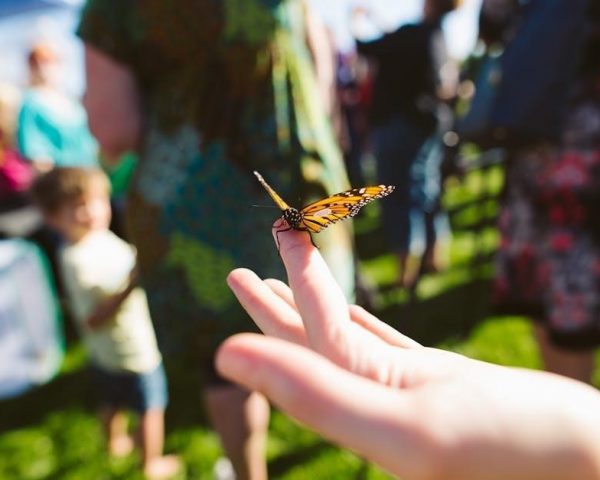
This guide explores ecosystems, biodiversity, and sustainability, focusing on Gorongosa National Park, offering students multiple perspectives through engaging lab activities and research.
What is Biodiversity?
Biodiversity, encompassing soil and aquatic life, represents the variety of life on Earth at all its levels, from genes to ecosystems. This teacher guide emphasizes understanding these intricate relationships within ecosystems, utilizing a case study approach centered on Gorongosa National Park in Mozambique.
Exploring biodiversity isn’t merely cataloging species; it’s recognizing the crucial connections that sustain life. Students will delve into how these connections impact ecosystem health and resilience. The provided materials, stemming from research presented at international colloquiums on soil zoology, aim to foster a deeper appreciation for the interconnectedness of living organisms.
Ultimately, this section sets the stage for investigating how human activities influence, and are influenced by, the natural world, paving the way for discussions on conservation and sustainability.
The Importance of Ecosystem Relationships
Ecosystem relationships are fundamental to maintaining a healthy planet, influencing everything from nutrient cycles to population control. This lab guide highlights the necessity of understanding these interactions, particularly within the context of climate change adaptation on protected areas.
The materials emphasize harmonizing human activities with nature, using examples like sturgeon conservation to illustrate the complexities involved. Students will explore how disruptions to these relationships – such as those caused by marine debris – necessitate regional cooperation, as problems transcend national boundaries.
By examining Gorongosa National Park, students will grasp the practical implications of biodiversity loss and the importance of sustainable practices. The guide aims to equip them with the knowledge to address these challenges effectively.

Understanding Ecosystem Dynamics
This section delves into food webs, symbiotic relationships, and predator-prey dynamics, providing a framework for analyzing ecosystem stability and resilience.
Food Webs and Trophic Levels
Understanding the intricate connections within an ecosystem begins with examining food webs. These complex diagrams illustrate the flow of energy and nutrients between organisms, showcasing who eats whom. Students will learn about trophic levels – the position an organism occupies in a food web – including producers, primary consumers, secondary consumers, and apex predators.
Exploring these levels reveals how energy is transferred, and importantly, lost, as it moves up the chain. This concept is crucial for grasping ecosystem limitations and carrying capacity. The lab guide emphasizes visualizing these relationships, potentially through building food web models, to solidify comprehension. Analyzing these webs helps predict the consequences of removing or adding species, demonstrating the delicate balance within ecosystems.
Furthermore, students will investigate how disruptions, like climate change or invasive species, can cascade through the food web, impacting biodiversity and overall ecosystem health.
Symbiotic Relationships: Mutualism, Commensalism, and Parasitism
This section delves into the close interactions between different species, categorized as symbiotic relationships. Students will differentiate between mutualism – where both organisms benefit – commensalism – where one benefits and the other is unaffected – and parasitism – where one benefits at the expense of the other.
The lab guide encourages investigation through real-world examples, prompting students to identify these relationships in local ecosystems or through case studies like those found in Gorongosa National Park. Activities might involve researching specific symbiotic pairings and analyzing their impact on biodiversity.
Understanding these interactions is vital, as they are fundamental drivers of ecosystem structure and function. Students will explore how these relationships contribute to stability, resilience, and the overall health of the environment, recognizing their importance in maintaining biodiversity.
Predator-Prey Dynamics and Population Control
This module focuses on the crucial role of predator-prey interactions in regulating population sizes within ecosystems. The lab guide facilitates understanding of how these dynamics influence biodiversity and maintain ecological balance. Students will explore concepts like carrying capacity and limiting factors.
Activities will likely involve simulations, allowing students to model population fluctuations based on varying predator and prey numbers. Analyzing real-world data from Gorongosa National Park, showcasing the recovery of predator populations and their impact on herbivore numbers, is encouraged.
The guide emphasizes that predator-prey relationships aren’t simply about ‘control’ but contribute to the health and resilience of ecosystems, promoting genetic diversity and preventing overgrazing or resource depletion.
Biodiversity Monitoring Techniques
The lab guide details soil and aquatic assessments, utilizing indices like the Shannon Diversity Index to quantify biodiversity across varied environments.
Soil Biodiversity Assessment
This section of the lab guide focuses on evaluating the hidden world beneath our feet – soil biodiversity. Students will learn techniques to assess the variety of life within soil samples, recognizing its crucial role in ecosystem health. The guide emphasizes examining soil life from lowland areas to high mountain regions, mirroring research presented at the XVIII International Colloquium on Soil Zoology.
Activities will involve collecting and analyzing soil samples, identifying key organisms (though specifics aren’t detailed here), and understanding how biodiversity changes across altitudinal gradients. The importance of soil organisms in nutrient cycling, decomposition, and plant growth will be highlighted. This assessment provides a foundational understanding of terrestrial ecosystem dynamics and the interconnectedness of life within the soil environment.
Aquatic Biodiversity Assessment
This component of the lab guide directs students to investigate the diversity of life in aquatic ecosystems. While specific methodologies aren’t outlined, the focus is on understanding the factors influencing aquatic biodiversity and its importance to overall ecosystem health. The guide connects to broader conservation concerns, particularly regarding marine debris and the need for regional cooperation, as highlighted in discussions concerning the Caspian Sea.
Students will explore how various environmental factors impact aquatic life, potentially including water quality, habitat structure, and species interactions. The assessment aims to foster an appreciation for the delicate balance within aquatic environments and the consequences of human activities. This section complements the soil biodiversity assessment, providing a holistic view of biodiversity across different ecosystems.
Using Indices to Measure Biodiversity (Shannon Diversity Index)
This section introduces students to quantitative methods for assessing biodiversity, specifically the Shannon Diversity Index. The lab guide will detail how to calculate this index using data collected from field observations – potentially from the soil or aquatic biodiversity assessments. Students will learn how the index reflects both species richness (number of species) and evenness (relative abundance of each species).
Understanding the Shannon Diversity Index allows for comparative analysis of biodiversity across different habitats or over time. This analytical skill is crucial for monitoring ecosystem health and evaluating the impact of environmental changes. The guide emphasizes the importance of standardized methods for accurate data collection and interpretation, aligning with broader scientific principles.
Lab Activities: Exploring Relationships
Hands-on labs build understanding of food webs, predator-prey dynamics, and symbiotic relationships, fostering critical thinking about ecosystem interactions and biodiversity.
Activity 1: Building a Food Web
Objective: Students will construct a food web representing the interconnected feeding relationships within a chosen ecosystem, demonstrating energy flow and trophic levels.
Materials: Index cards with names of organisms (producers, consumers – herbivores, carnivores, omnivores – and decomposers), yarn or string, large paper or whiteboard.
Procedure: Divide students into groups. Each group selects an ecosystem (e.g., grassland, forest, aquatic). Students research organisms within their ecosystem and write each on an index card. They then arrange the cards, connecting organisms with yarn to illustrate “eats” relationships. Discuss the consequences of removing a species from the web.
Discussion: Analyze the complexity of the food web, identifying key species and potential vulnerabilities. Relate this activity to biodiversity and ecosystem stability.
Activity 2: Simulating Predator-Prey Interactions
Objective: Students will model predator-prey dynamics to understand population fluctuations and the impact of environmental factors.
Materials: Two different colored beans (representing predator and prey), a container, timer, graph paper.
Procedure: Start with a defined number of “prey” beans. Each “predator” bean can remove a set number of “prey” beans per time interval. Record the population sizes of both predator and prey after each interval (e.g., 30 seconds) for several “generations”. Graph the results.
Discussion: Analyze the population curves. Discuss factors that might cause fluctuations (e.g., resource availability, introduction of a new predator). Connect this to real-world examples of predator-prey relationships and population control.
Activity 3: Investigating Symbiotic Relationships
Objective: Students will identify and analyze different types of symbiotic relationships – mutualism, commensalism, and parasitism – through research and presentation.
Materials: Research resources (internet, books), presentation materials (poster board, slides).
Procedure: Divide students into groups, assigning each a specific symbiotic relationship to investigate. Groups research real-world examples, detailing the benefits and harms to each organism involved. They prepare a presentation explaining the relationship, including visual aids.
Discussion: Each group presents their findings; Discuss how symbiotic relationships contribute to ecosystem stability and biodiversity. Explore the consequences of disrupting these relationships.
Gorongosa National Park Case Study
This section examines Gorongosa’s ecosystems, biodiversity challenges, and conservation efforts, providing a real-world context for understanding ecological relationships.
Ecosystems of Gorongosa
Gorongosa National Park showcases remarkable ecosystem diversity, ranging from rainforests and woodlands to savanna and floodplains, all interconnected and vital for biodiversity. These varied habitats support a complex web of life, demonstrating intricate relationships between species and their environment. The park’s ecosystems are profoundly influenced by the seasonal rains and the Rufume River, creating dynamic conditions that shape species distribution and abundance.
Understanding these ecosystems is crucial for appreciating the park’s ecological significance. Students will explore how different habitats contribute to overall biodiversity and how disturbances, like historical conflict and climate change, impact these delicate balances. Investigating Gorongosa’s ecosystems provides a compelling case study for examining ecological principles and conservation challenges.
Biodiversity Challenges in Gorongosa
Gorongosa National Park faced significant biodiversity loss due to a prolonged civil war, drastically impacting wildlife populations and ecosystem health. This disruption led to imbalances in predator-prey dynamics and altered vegetation patterns. Current challenges include poaching, habitat fragmentation, and the increasing threat of climate change, exacerbating existing vulnerabilities.
Students will analyze how these factors interact to threaten species survival and ecosystem function. Examining Gorongosa’s recovery efforts provides valuable insights into the complexities of conservation. Understanding these challenges highlights the importance of sustainable practices and regional cooperation for effective biodiversity protection, particularly concerning marine debris impacting coastal ecosystems.
Sustainability and Conservation Efforts
Gorongosa’s restoration focuses on community engagement, anti-poaching patrols, and ecosystem rehabilitation. These efforts aim to re-establish ecological balance and support local livelihoods. A key strategy involves fostering regional cooperation, particularly addressing transboundary issues like marine debris impacting coastal biodiversity.
Students will investigate how conservation initiatives can harmonize human activities with nature, using the sturgeon case study as an example. The curriculum emphasizes adapting to climate change on protected areas, requiring a holistic approach. Analyzing Gorongosa’s success provides a model for sustainable conservation, demonstrating the power of integrated strategies and collaborative partnerships for long-term biodiversity preservation.
Climate Change Adaptation on Protected Areas
The report proposes integrating climate change adaptation into protected area management, emphasizing regional cooperation to address issues like marine debris effectively.
Regional Cooperation for Marine Debris
Addressing marine debris necessitates collaborative efforts extending beyond national boundaries, particularly within shared ecosystems like the Caspian Sea. The increasing volume of plastic and other pollutants poses a significant threat to aquatic biodiversity and ecosystem health, demanding a unified regional response. This involves coordinated monitoring programs, standardized data collection methodologies, and joint initiatives for waste management and reduction.
Effective strategies require shared responsibility among Caspian nations, fostering information exchange and best practice implementation. Collaborative research can pinpoint pollution sources and assess ecological impacts, informing targeted mitigation measures. Furthermore, harmonizing policies and regulations related to waste disposal and plastic production is crucial for long-term sustainability. Such cooperation ensures a more comprehensive and impactful approach to safeguarding marine environments and preserving biodiversity.

Teacher Resources and Standards
This section provides lesson objectives, concepts, alignment with educational standards, and assessment strategies for a biodiversity lesson focused on Gorongosa National Park.
Lesson Objectives and Concepts
Students will gain a comprehensive understanding of ecosystem dynamics, exploring the intricate relationships between living organisms and their environment. Key concepts include biodiversity, trophic levels within food webs, and the significance of symbiotic interactions – mutualism, commensalism, and parasitism.
Furthermore, the lesson emphasizes predator-prey dynamics and their role in population control, alongside practical biodiversity monitoring techniques applicable to both soil and aquatic ecosystems. Students will learn to utilize indices, such as the Shannon Diversity Index, to quantitatively assess biodiversity.
A central focus is the Gorongosa National Park case study, examining its unique ecosystems, biodiversity challenges, and ongoing sustainability and conservation efforts. The overarching goal is to foster an appreciation for harmonizing human activities with the preservation of nature.
Alignment with Educational Standards
This lesson plan is designed to align with Next Generation Science Standards (NGSS), specifically addressing concepts within the Life Sciences, particularly ecosystems and ecological interactions. It supports standards related to biodiversity, energy transfer in ecosystems, and the impact of environmental changes on species.
The curriculum also integrates cross-cutting concepts such as patterns, cause and effect, and systems and system models. It encourages scientific inquiry through hands-on lab activities, data analysis, and evidence-based reasoning.
Moreover, the Gorongosa National Park case study provides a real-world context for applying scientific principles and understanding the complexities of conservation challenges, fostering responsible environmental stewardship and critical thinking skills.
Assessment Strategies
Student understanding will be assessed through a variety of methods, including observation of participation in lab activities – building food webs and simulating predator-prey dynamics. Formative assessments include questioning during discussions and review of lab reports detailing experimental design and data analysis.
Summative assessments encompass a comprehensive exam covering key concepts like symbiotic relationships, trophic levels, and biodiversity indices (Shannon Diversity Index). Students will also complete a research project focusing on conservation efforts at Gorongosa National Park, demonstrating their ability to synthesize information.
Rubrics will be used to evaluate lab reports, presentations, and the final research project, ensuring clear expectations and consistent grading. Peer assessment will also be incorporated to promote collaborative learning and critical feedback.

Advanced Topics & Research
Explore millifluidic devices, soil biodiversity across altitudes, and harmonizing human activities with nature, like sturgeon conservation, for in-depth study.
Millifluidic and Microfluidic Lab-on-a-Chip Devices
These innovative devices, as highlighted in research from 2018 by FN Lisetskii, represent a cutting-edge approach to biodiversity investigation. Configurable and 3D-printed, they offer a miniaturized platform for complex biological analyses.
For educators, integrating these technologies – though advanced – can demonstrate the power of engineering in ecological studies. Students can explore reaction kinetics, sample preparation, and detection methods relevant to analyzing biodiversity samples.
Consider how these devices could be adapted to study microbial communities in soil or aquatic ecosystems, providing a tangible link between laboratory techniques and real-world environmental challenges. Further research into their application within biodiversity monitoring is encouraged.
Soil Biodiversity Across Altitudinal Gradients
Investigating soil biodiversity along elevation changes provides a powerful lens for understanding ecological relationships. As noted in the XVIII International Colloquium on Soil Zoology, examining these gradients reveals how environmental factors shape community structure.
For classroom application, this translates into comparative studies of soil samples collected from varying altitudes. Students can analyze differences in microbial diversity, invertebrate populations, and decomposition rates.
This activity fosters an understanding of how species adapt to specific conditions and how these adaptations influence ecosystem function. It also highlights the importance of considering spatial scales when assessing biodiversity and the interconnectedness of life within soil ecosystems.
Future Directions in Biodiversity Education
Harmonizing human activities with nature, like the sturgeon case study from Wuhan, China, is crucial for effective biodiversity education and conservation efforts.
Harmonizing Human Activities and Nature
Effective biodiversity education necessitates understanding the intricate connections between human actions and the natural world. This involves moving beyond simply identifying species to analyzing how our activities – from regional cooperation regarding marine debris to broader societal choices – impact ecosystems. The case of sturgeon, highlighted in Wuhan, China, exemplifies this need for harmonization.
Students should explore how sustainable practices can mitigate negative consequences and foster coexistence. This includes examining the challenges faced by protected areas adapting to climate change, as detailed in recent reports emphasizing the importance of comprehensive adaptation strategies. The goal is to cultivate a sense of responsibility and empower learners to become advocates for conservation, recognizing that biodiversity’s future depends on our ability to integrate human needs with ecological integrity.