Resume Templates for Virtual Reality Professionals (2026)
Finding the perfect template is crucial; downloadable PDF samples ensure ATS compatibility‚ while sleek‚ modern designs appeal to tech companies seeking innovative talent.
The virtual and augmented reality (VR/AR) job market is experiencing exponential growth‚ driven by advancements in technology and expanding applications across diverse industries. From gaming and entertainment to healthcare‚ education‚ and manufacturing‚ the demand for skilled VR/AR professionals is surging. This presents exciting opportunities for individuals with the right expertise‚ but also intensifies competition for available positions.
Consequently‚ presenting a compelling resume tailored to the specific requirements of VR/AR roles is paramount. A standard resume often fails to adequately showcase the unique skills and experience valued in this dynamic field. Utilizing specialized resume templates‚ and analyzing successful PDF samples‚ becomes essential for effectively communicating your qualifications to potential employers. The ability to demonstrate proficiency in areas like game engine development and 3D modeling is now highly sought after.
Why Use a Specialized VR Resume Template?
Traditional resume formats often lack the capacity to effectively highlight the specialized skills crucial for VR/AR roles. A dedicated template focuses on showcasing your proficiency in areas like Unity‚ Unreal Engine‚ C#‚ C++‚ and 3D modeling software – skills frequently requested in job descriptions. These templates are designed to emphasize project-based experience‚ a cornerstone of VR/AR development.
Furthermore‚ specialized templates are often ATS-friendly‚ ensuring your resume is correctly parsed by applicant tracking systems. Downloading samples in PDF format allows you to review successful layouts and content strategies. Utilizing a modern‚ sleek design‚ as found in many current templates‚ also demonstrates an understanding of the tech industry’s aesthetic preferences‚ giving you a competitive edge.
Key Skills for VR/AR Roles
Essential expertise includes programming languages (C#‚ C++‚ Python)‚ game engines (Unity‚ Unreal)‚ and 3D modeling proficiency (Blender‚ Maya‚ 3ds Max).
Programming Languages (C#‚ C++‚ Python)
Proficiency in core programming languages is paramount for any VR/AR developer. C# is frequently utilized within the Unity game engine‚ making it a highly sought-after skill. C++ remains crucial for Unreal Engine development‚ offering performance optimization capabilities. Python’s versatility lends itself to scripting‚ prototyping‚ and data analysis within VR/AR pipelines.
Highlighting these skills on your resume is vital. Quantify your experience – for example‚ “Developed VR application using C# and Unity‚ resulting in a 15% performance increase.” Demonstrate practical application‚ not just theoretical knowledge. Employers seek developers who can translate concepts into functional‚ immersive experiences. Tailor your language to match the specific requirements outlined in the job description‚ emphasizing the languages most relevant to the role.
Game Engines (Unity‚ Unreal Engine)
Mastery of game engines is foundational for VR/AR development. Unity’s accessibility and cross-platform compatibility make it a popular choice for rapid prototyping and deployment. Unreal Engine‚ renowned for its high-fidelity graphics and advanced rendering capabilities‚ is favored for visually demanding projects.
Your resume should clearly showcase your engine expertise. Specify your level of proficiency – beginner‚ intermediate‚ or expert – and detail projects where you’ve utilized these tools. For example‚ “Designed and implemented interactive VR experiences using Unreal Engine’s Blueprint visual scripting system.” Highlight any specialized knowledge‚ such as shader development or optimization techniques.
Demonstrate a practical understanding of engine-specific workflows and features‚ aligning your skills with the employer’s preferred technology stack.
3D Modeling & Design Software (Blender‚ Maya‚ 3ds Max)
Proficiency in 3D modeling software is essential for creating the assets that populate virtual and augmented realities. Maya and 3ds Max are industry standards‚ offering robust toolsets for complex modeling‚ animation‚ and rigging. Blender‚ a powerful open-source alternative‚ is gaining traction due to its versatility and cost-effectiveness.
Clearly articulate your skills in these programs on your resume. Detail your experience with specific modeling techniques – polygonal‚ NURBS‚ or sculpting – and mention any expertise in texturing‚ UV unwrapping‚ or material creation.
Quantify your accomplishments; for instance‚ “Created 30+ optimized 3D models for a VR training simulation using Maya‚ reducing polygon count by 20%.” Showcase your ability to create assets optimized for real-time performance.
Resume Sections: Essential Components
A strong resume requires a concise professional summary‚ a skills section highlighting VR/AR expertise‚ and a detailed experience section showcasing relevant projects.
Contact Information & Professional Summary
Begin with clear contact details: full name‚ professional email‚ phone number‚ and a link to your online portfolio or professional networking profile (like LinkedIn). Ensure this information is easily accessible to recruiters.
Next‚ craft a compelling professional summary. This is a brief (3-4 sentence) overview of your skills and experience‚ tailored to the specific VR/AR roles you’re targeting. Highlight your key strengths‚ such as proficiency in Unity or Unreal Engine‚ 3D modeling expertise‚ or experience developing immersive experiences.
Focus on quantifiable achievements whenever possible. Instead of stating “Experienced in VR development‚” try “Developed three VR applications resulting in a 20% increase in user engagement.” A well-written summary immediately grabs the recruiter’s attention and demonstrates your value.
Skills Section: Highlighting VR/AR Expertise
Your skills section is paramount for VR/AR roles. Categorize skills for clarity: Programming Languages (C#‚ C++‚ Python)‚ Game Engines (Unity‚ Unreal Engine)‚ and 3D Modeling & Design Software (Blender‚ Maya‚ 3ds Max).
Beyond core technical skills‚ include relevant competencies like AR/VR development frameworks‚ spatial computing‚ computer vision‚ and user interface/user experience (UI/UX) design. Don’t just list skills; indicate your proficiency level (e.g.‚ proficient‚ intermediate‚ familiar).
Keywords are critical. Analyze job descriptions and incorporate relevant terms. For example‚ if a role emphasizes “ARKit‚” ensure it’s prominently featured. A dedicated skills section‚ strategically populated with industry-specific keywords‚ significantly boosts your resume’s visibility.
Experience Section: Showcasing Relevant Projects
The experience section is where you prove your abilities. Don’t simply list job titles; detail VR/AR projects‚ even personal ones. For each project‚ clearly state your role‚ the technologies used (Unity‚ Unreal Engine‚ Blender‚ etc.)‚ and the project’s outcome.
Focus on quantifiable achievements. Instead of “Developed VR experience‚” write “Developed VR training simulation resulting in a 15% improvement in user performance.” Use action verbs to describe your contributions – designed‚ developed‚ implemented‚ optimized.
Highlight immersive digital experiences and applications leveraging augmented and virtual reality technologies. Tailor project descriptions to match the specific requirements of the job description‚ emphasizing relevant skills and accomplishments. A strong experience section demonstrates practical application of your expertise.
Template Styles & Design Considerations
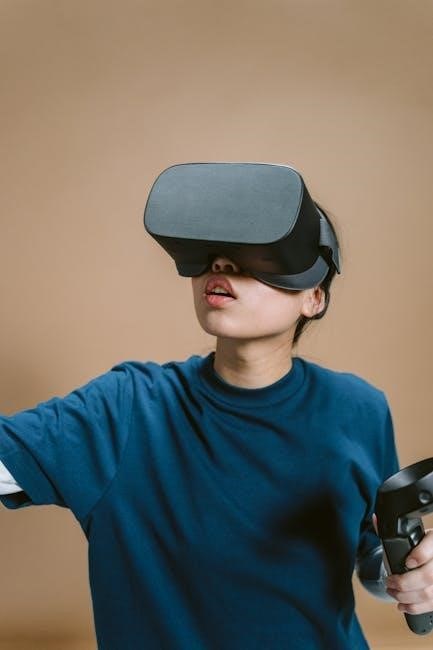
Choose modern‚ sleek designs for tech companies‚ prioritizing clarity and professionalism; ensure ATS compatibility with DOCX or PDF formats for optimal parsing.
Modern & Sleek Templates for Tech Companies
For roles in the rapidly evolving VR/AR landscape‚ presentation matters. Tech companies‚ particularly startups and those with a forward-thinking ethos‚ gravitate towards modern resume designs. These templates often feature clean lines‚ a contemporary color palette‚ and a focus on readability.
Avoid overly ornate or traditional formats. Instead‚ opt for templates that highlight your technical skills and project experience in a visually appealing manner. Contemporary designs demonstrate an understanding of current industry trends and a willingness to embrace innovation – qualities highly valued in VR/AR professionals.
Remember‚ while aesthetics are important‚ functionality is paramount. Ensure the template remains ATS-friendly‚ allowing Applicant Tracking Systems to accurately parse your information. A balance between visual appeal and technical compatibility is key to landing that interview.
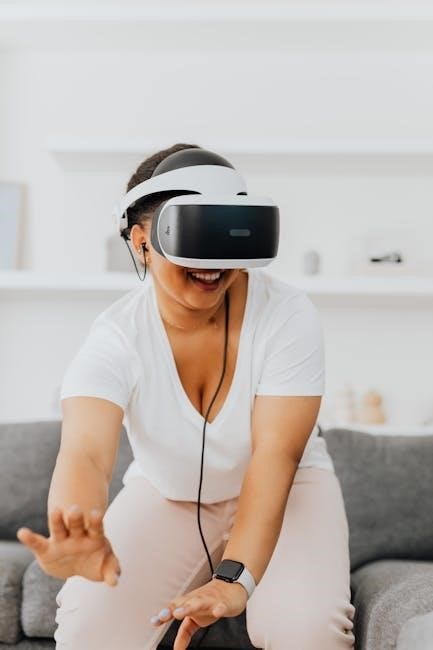
ATS-Friendly Resume Formats (DOCX‚ PDF)
Navigating Applicant Tracking Systems (ATS) is vital. While visually appealing templates are important‚ ensuring your resume is readable by ATS software is paramount. Both DOCX and PDF formats are generally accepted‚ but require careful consideration.

DOCX files‚ editable in Google Docs or Microsoft Word‚ often maintain formatting better during parsing. However‚ complex designs can sometimes cause issues. PDFs are excellent for preserving visual layout‚ but can become problematic if the text isn’t properly embedded.
Prioritize simplicity and clear formatting. Avoid tables‚ images‚ and unusual fonts. The provided templates have been rigorously tested with major ATS vendors to guarantee accurate parsing‚ allowing your qualifications to shine through to human reviewers.
Finding & Utilizing PDF Resume Samples
Strategic searches‚ like “resume virtual reality -templates -samples filetype:pdf‚” reveal valuable examples‚ aiding in crafting a compelling and effective VR-focused resume.
Searching for “resume virtual reality -templates -samples filetype:pdf”
Employing precise search queries is paramount when seeking exemplary VR resume samples. Utilizing the string “resume virtual reality -templates -samples filetype:pdf” within search engines like Google directly targets downloadable PDF documents. The exclusion terms‚ “-templates” and “-samples‚” refine results‚ bypassing generic template listings and focusing on completed‚ real-world resumes.
This focused approach yields practical examples showcasing how experienced VR professionals present their skills and experience. Analyzing these PDFs provides invaluable insights into effective formatting‚ keyword usage‚ and content structuring. Remember to critically evaluate the resumes found‚ noting what resonates and what doesn’t‚ adapting successful strategies to your unique profile. This targeted search is a cornerstone of informed resume development.
Analyzing Successful VR Resume Examples
Deconstructing high-performing VR resumes reveals key patterns. Pay close attention to how professionals articulate their skills – noting the prominence of programming languages like C#‚ C++‚ and Python‚ alongside game engine expertise (Unity‚ Unreal Engine). Observe how they quantify achievements within VR projects‚ moving beyond simple descriptions to demonstrate impact.
Successful resumes often highlight specific projects‚ detailing the technologies used and the role played. Look for clear articulation of 3D modeling and design software proficiency (Blender‚ Maya‚ 3ds Max). Analyze how candidates tailor their summaries to specific job descriptions‚ emphasizing relevant keywords. Identifying these common threads will empower you to refine your own resume for maximum effectiveness.
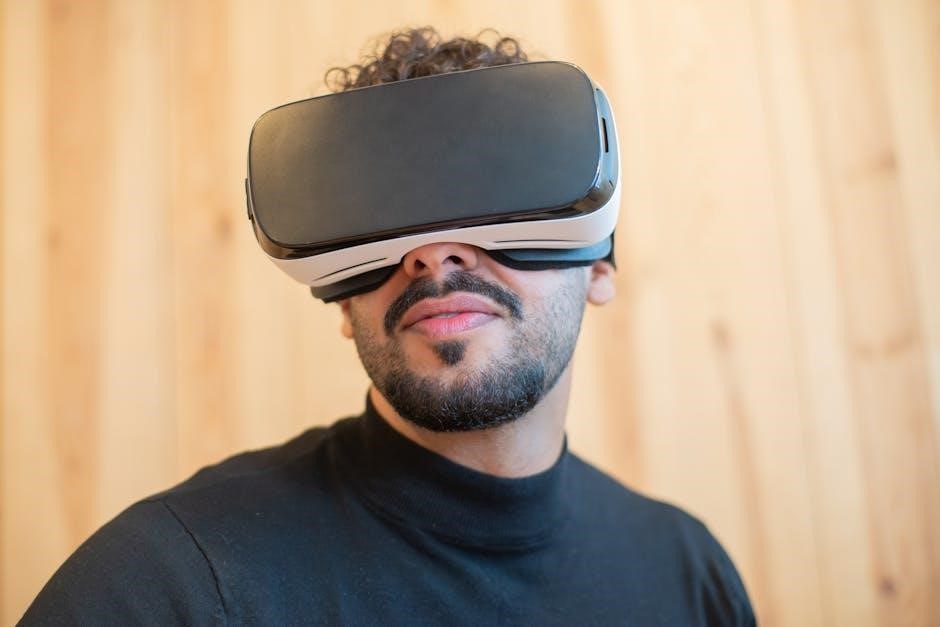
Beyond the Template: Optimizing Your Resume
Refine your resume with targeted keywords‚ quantify VR project successes‚ and meticulously tailor content to each specific role’s requirements for optimal results.
Keyword Optimization for VR/AR Job Descriptions
Strategic keyword integration is paramount for visibility. Analyze VR/AR job descriptions‚ identifying frequently used terms like “Unity‚” “Unreal Engine‚” “C#‚” “C++‚” “3D modeling‚” “augmented reality‚” and “virtual reality.” Incorporate these keywords naturally throughout your resume – within your skills section‚ experience descriptions‚ and even your professional summary.
Don’t simply stuff keywords; focus on context. Demonstrate how you’ve utilized these skills in past projects. For example‚ instead of just listing “Unity‚” state “Developed immersive VR training simulations using Unity and C# scripting.”
Remember Applicant Tracking Systems (ATS) scan for these terms. Using the language employers use significantly increases your chances of passing the initial screening and landing an interview. Prioritize relevant keywords based on the specific role you’re targeting.
Quantifying Achievements in VR Projects
Transform vague descriptions into impactful statements with quantifiable results; Instead of stating “Improved VR user experience‚” demonstrate impact: “Increased user engagement by 15% through redesigned VR interface‚ measured via user testing.” Numbers immediately grab attention and prove your value.
Whenever possible‚ use metrics like project budget managed‚ team size led‚ reduction in development time‚ or improvements in performance (e.g.‚ frame rates). For example‚ “Optimized 3D models‚ reducing polygon count by 30% and improving VR application performance.”
Highlight the scale of your projects. Did your VR application reach a specific number of users? Did it generate revenue or cost savings? Concrete data strengthens your claims and showcases your ability to deliver tangible outcomes.
Tailoring Your Resume to Specific Roles
Avoid a one-size-fits-all approach; meticulously adjust your resume for each VR/AR position. Analyze the job description‚ identifying key skills and keywords. Prioritize those skills prominently in your skills section and experience descriptions.
If a role emphasizes Unity‚ showcase your Unity projects and expertise. If it requires Unreal Engine‚ highlight your Unreal Engine experience. Re-order your projects to feature the most relevant work first.
Customize your professional summary to align with the company’s values and the role’s requirements. Demonstrate you understand their needs and how your skills directly address them. A targeted resume significantly increases your chances of landing an interview.
Additional Resources & Tools
Explore online resume builders offering VR-specific templates and leverage portfolio websites to visually showcase your immersive VR/AR projects effectively.
Online Resume Builders with VR Templates
Several online platforms now cater specifically to the tech industry‚ offering resume builders with templates designed for VR/AR professionals. These tools often provide pre-written content suggestions tailored to common VR roles‚ streamlining the creation process.
Look for builders that allow for customization beyond basic template adjustments‚ enabling you to highlight your unique skillset. Many offer ATS-friendly formats like DOCX and PDF‚ ensuring your resume is easily parsed by applicant tracking systems.
Consider platforms that integrate portfolio hosting‚ allowing you to directly link your VR projects from your resume. Some services even offer AI-powered resume reviews‚ providing feedback on keyword optimization and overall effectiveness. Remember to always review and personalize the generated content to accurately reflect your experience and career goals.
Portfolio Websites for Showcasing VR/AR Work
A dedicated portfolio website is invaluable for VR/AR professionals‚ going beyond what a resume can convey. Platforms like ArtStation‚ Behance‚ and personal websites built with tools like WordPress or Squarespace allow for immersive showcases of your projects.
Prioritize high-quality visuals – screenshots‚ videos‚ and interactive demos – to demonstrate your skills effectively. Clearly articulate your role in each project‚ highlighting the technologies used and the challenges overcome.
Ensure your portfolio is easily navigable and mobile-responsive. Include a concise “About Me” section and clear contact information. Linking your portfolio prominently on your resume is essential‚ providing recruiters with a deeper understanding of your capabilities and creative vision within the VR/AR landscape.