Peripheral neuropathy impacts outer nerves, while core functions remain. Exercise, guided by peripheral neuropathy exercises pdf resources, can manage symptoms and improve quality of life.
What is Peripheral Neuropathy?
Peripheral neuropathy refers to damage to the nerves located outside of the brain and spinal cord – essentially, the nerves that transmit information from the central nervous system to the rest of the body. This damage often disrupts communication, leading to symptoms like pain, numbness, and weakness, commonly in the hands and feet.
It’s crucial to understand that “peripheral” signifies these nerves are on the outer edges of the nervous system. While peripheral neuropathy exercises pdf guides focus on managing symptoms, the underlying causes are diverse, ranging from diabetes and injuries to infections and autoimmune diseases. Early diagnosis and appropriate management, including targeted exercise programs, are vital for slowing progression and improving function.
The Role of Exercise in Managing Symptoms
Exercise plays a significant role in managing peripheral neuropathy symptoms, despite initial concerns about exacerbating discomfort. Targeted exercises, often detailed in peripheral neuropathy exercises pdf resources, improve blood flow to damaged nerves, promoting healing and reducing pain. Regular physical activity enhances muscle strength and coordination, counteracting weakness and improving balance.
Furthermore, exercise can positively impact overall health, addressing contributing factors like diabetes. It’s important to start slowly and gradually increase intensity, always listening to your body. A well-structured exercise program, guided by a healthcare professional, can significantly improve quality of life for those living with this condition.
Understanding the Benefits of Specific Exercises
Peripheral neuropathy exercises pdf guides detail how targeted movements boost circulation, reduce pain, and strengthen muscles, improving function and overall well-being.
Improved Blood Flow & Nerve Health
Peripheral neuropathy exercises pdf resources emphasize movements designed to enhance circulation to the extremities. Reduced blood flow often exacerbates nerve damage symptoms; therefore, exercises promoting vascular health are crucial. These typically include gentle cardio, like walking, alongside specific foot and leg exercises.
Improved circulation delivers vital oxygen and nutrients to nerves, potentially aiding in their repair and function. Consistent exercise, as outlined in these guides, can help mitigate nerve deterioration. Strengthening muscles also supports nerve pathways, reducing compression and improving signal transmission. Remember to consult a healthcare professional before starting any new exercise regimen, especially with peripheral neuropathy.
Pain Reduction & Symptom Management
Peripheral neuropathy exercises pdf guides often incorporate techniques focused on desensitization and pain modulation. Exercises aren’t about eliminating pain entirely, but rather managing it and improving function despite discomfort. Gentle movements can help “retrain” nerves, reducing hypersensitivity over time.
These programs frequently include range-of-motion exercises and light strengthening, carefully graded to avoid overstimulation. Consistent, low-impact activity can release endorphins, natural pain relievers. It’s vital to listen to your body and avoid pushing through sharp pain. The goal is to find a sustainable exercise routine that minimizes symptoms and enhances daily life.
Enhanced Muscle Strength & Function
Peripheral neuropathy exercises pdf resources emphasize rebuilding strength in affected limbs, counteracting muscle weakness caused by nerve damage. Targeted exercises, often starting with minimal resistance, help improve muscle function and prevent atrophy. Strengthening exercises aren’t about building bulk, but restoring the ability to perform everyday tasks.
Programs typically progress from simple movements to more challenging ones, focusing on both large muscle groups and smaller intrinsic muscles in the feet and hands. Improved strength translates to better balance, coordination, and overall mobility, enhancing independence and quality of life. Consistency is key for noticeable improvements.

Warm-Up Exercises for Peripheral Neuropathy
Peripheral neuropathy exercises pdf guides suggest gentle warm-ups to prepare muscles, increasing blood flow and flexibility before more intense activity begins.
Gentle Range of Motion Exercises
Peripheral neuropathy exercises pdf materials frequently emphasize gentle range of motion exercises as a foundational component of any exercise program. These movements aim to improve joint flexibility and reduce stiffness without placing undue stress on damaged nerves. Begin with slow, controlled movements, focusing on moving each joint through its full, comfortable range.
Examples include ankle rotations, wrist circles, and gentle neck stretches. It’s crucial to avoid pushing through pain; discomfort should be minimal. These exercises enhance circulation, promoting nerve health and preparing the body for more targeted activities. Consistency is key – performing these daily, as outlined in your peripheral neuropathy exercises pdf, can significantly improve mobility and reduce discomfort over time.
Ankle Pumps & Circles
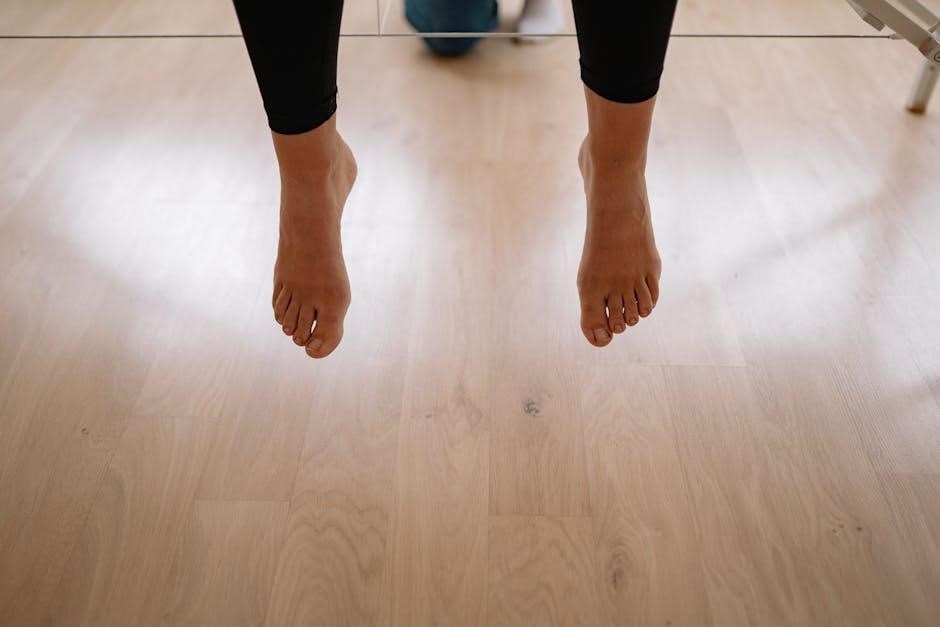
Peripheral neuropathy exercises pdf guides often highlight ankle pumps and circles as excellent starting points for lower extremity rehabilitation. Ankle pumps involve repeatedly pointing your toes up towards your shin and then down away from your shin, promoting blood flow in the calves and feet. Follow this with ankle circles – slowly rotating your ankles clockwise and then counterclockwise.
These simple exercises, detailed in many peripheral neuropathy exercises pdf resources, improve circulation, reduce swelling, and maintain ankle joint mobility. Perform 10-15 repetitions of each exercise, several times a day. Remember to listen to your body and stop if you experience any sharp pain. Consistency is vital for noticeable improvements.
Toe Curls & Extensions
Many peripheral neuropathy exercises pdf programs include toe curls and extensions to strengthen foot muscles and improve dexterity. Toe curls involve placing a small towel on the floor and using your toes to scrunch it towards you, enhancing intrinsic foot muscle strength. Conversely, toe extensions focus on actively straightening your toes, combating foot drop often associated with neuropathy.
These exercises, frequently illustrated in peripheral neuropathy exercises pdf guides, help regain control over toe movement and improve balance. Aim for 10-15 repetitions of each exercise, multiple times daily. Pay attention to any discomfort and modify the intensity as needed. Regular practice can significantly improve foot function.
Exercises for Feet & Ankles
Peripheral neuropathy exercises pdf often prioritize feet and ankles, focusing on restoring function and sensation through targeted movements and strengthening routines.
Heel Raises
Heel raises, frequently detailed in peripheral neuropathy exercises pdf guides, are a foundational exercise for strengthening calf muscles and improving ankle stability. Begin by standing near a stable surface for support, if needed. Slowly rise up onto your toes, lifting your heels off the ground as high as comfortably possible.
Hold this position for a second or two, focusing on engaging your calf muscles. Then, slowly lower your heels back down to the ground. Repeat this movement for 10-15 repetitions. Modifications include performing seated heel raises or using a slight incline to adjust the difficulty. Remember to listen to your body and stop if you experience any pain.
Toe Raises
Toe raises, often illustrated within peripheral neuropathy exercises pdf materials, target the anterior tibialis muscle, crucial for dorsiflexion and foot stability. Start by sitting or standing with your feet flat on the floor. Slowly lift your toes off the ground, keeping your heels planted firmly.
Hold this lifted position for a brief moment, concentrating on the contraction in your shin muscles. Gently lower your toes back down to the floor. Aim for 10-15 repetitions. Modifications involve using resistance bands for increased challenge or performing the exercise while seated. Prioritize controlled movements and cease if discomfort arises.
Alphabet Tracing with Feet
Alphabet tracing with feet, frequently detailed in peripheral neuropathy exercises pdf guides, enhances foot dexterity and range of motion. Sit comfortably with your feet flat on the floor. Slowly and deliberately trace each letter of the alphabet using your big toe as a “pen.”
Focus on controlled movements, maintaining a smooth tracing motion. This exercise improves nerve stimulation and muscle memory in the feet. Repeat the alphabet several times, alternating feet if possible. Modify by tracing larger or smaller letters based on comfort level. Stop if pain occurs.
Marble Pick-Ups
Marble pick-ups, often illustrated in peripheral neuropathy exercises pdf materials, are excellent for improving fine motor skills and dexterity in the toes. Sit comfortably with a bowl of marbles and an empty bowl nearby. Using only your toes, attempt to pick up one marble at a time and transfer it to the empty bowl.
This exercise challenges nerve function and strengthens small foot muscles. Start with larger marbles and progress to smaller ones as strength improves. Focus on precision and control. Stop immediately if you experience pain or discomfort. It’s a gentle yet effective exercise.

Exercises for Legs & Calves
Leg and calf exercises, detailed in peripheral neuropathy exercises pdf guides, enhance lower limb strength and circulation, aiding nerve health and function.
Calf Stretches
Calf stretches, often illustrated in peripheral neuropathy exercises pdf materials, are crucial for improving flexibility and reducing tightness in the lower legs. Begin by standing an arm’s length from a wall. Place your hands on the wall for support, and step one leg back, keeping your heel firmly planted on the ground.
Lean forward, bending your front knee, until you feel a gentle stretch in your calf muscle. Hold this position for 15-30 seconds, then repeat with the other leg. Ensure the stretch isn’t painful; it should be a comfortable lengthening sensation. Consistent calf stretching can alleviate discomfort and improve mobility for those with peripheral neuropathy.
Seated Leg Extensions
Seated leg extensions, frequently detailed in peripheral neuropathy exercises pdf guides, strengthen quadriceps muscles, supporting knee stability and function. Sit comfortably in a chair with your feet flat on the floor. Slowly extend one leg straight out in front of you, tightening your thigh muscles.
Hold this extended position for a few seconds, then slowly lower your leg back to the starting position. Repeat 10-15 times on each leg. Use light or no resistance initially, gradually increasing as strength improves. Avoid locking your knee during the extension, and stop if you experience any pain.
Hamstring Curls (Light Resistance)
Hamstring curls, often illustrated in peripheral neuropathy exercises pdf materials, target the muscles at the back of your thighs, improving leg strength and flexibility. Using light ankle weights or a resistance band, sit comfortably with your feet flat. Slowly bend one knee, bringing your heel towards your buttocks.
Focus on controlled movement, squeezing your hamstring muscles during the curl. Lower your leg back to the starting position slowly. Repeat 10-15 times per leg. Begin with minimal resistance, increasing gradually as tolerated. Discontinue if pain arises, prioritizing gentle strengthening.
Standing Calf Raises
Standing calf raises, frequently detailed in peripheral neuropathy exercises pdf guides, strengthen calf muscles crucial for balance and walking. Stand with feet flat on the floor, shoulder-width apart, and hold onto a stable surface for support. Slowly rise up onto your toes, lifting your heels off the ground as high as comfortably possible.
Hold this position for a second, feeling the contraction in your calf muscles. Slowly lower your heels back down to the floor. Repeat 10-15 times. Ensure a slow, controlled motion, avoiding any bouncing. Modify by performing seated calf raises if balance is a concern.

Exercises for Hands & Arms
Peripheral neuropathy exercises pdf often include hand and arm routines to improve dexterity and strength, combating numbness and weakness in these areas.
Fist Clenches & Releases
Fist clenches and releases are a foundational exercise detailed in many peripheral neuropathy exercises pdf guides. Begin by slowly making a fist, ensuring not to strain. Hold the clenched fist for five to ten seconds, focusing on the sensation in your hand and forearm.
Then, slowly release your fingers, extending them fully. Repeat this process ten to fifteen times per hand, several times a day. This simple exercise helps improve grip strength, circulation, and range of motion. It can also help reduce stiffness and discomfort associated with peripheral neuropathy. Remember to listen to your body and stop if you experience any pain.
Wrist Rotations
Wrist rotations, frequently illustrated in peripheral neuropathy exercises pdf materials, are excellent for maintaining hand and forearm flexibility. Sit comfortably with your forearms resting on a table, palms facing down. Gently rotate your wrists clockwise for ten to fifteen repetitions.
Next, reverse the direction and rotate your wrists counterclockwise for the same number of repetitions. Focus on a slow, controlled movement, and avoid any forceful twisting. This exercise helps improve range of motion, reduce stiffness, and enhance circulation in the wrists and hands, potentially alleviating neuropathy symptoms. Listen to your body and cease if pain arises.
Finger Spreads & Curls
Finger spreads and curls, commonly detailed in peripheral neuropathy exercises pdf guides, are vital for hand muscle strength and dexterity. Begin by extending your hand, palm up. Spread your fingers as wide as comfortably possible, holding for a few seconds. Then, slowly curl your fingers into a gentle fist.
Repeat this spreading and curling motion ten to fifteen times. This exercise targets the intrinsic hand muscles, improving fine motor skills and potentially reducing numbness or tingling associated with peripheral neuropathy. Maintain a relaxed hand and avoid straining. Consistent practice, as shown in exercise PDFs, can yield noticeable improvements.
Grip Strengthening Exercises (Soft Ball)
Grip strengthening, often illustrated in peripheral neuropathy exercises pdf materials, utilizes a soft ball to enhance hand and forearm muscles. Select a soft, stress ball or similar object. Gently squeeze the ball, holding the contraction for five to ten seconds. Focus on a firm, but not painful, grip.
Release slowly and repeat ten to fifteen times. This exercise improves hand strength, which can be compromised by nerve damage. It also promotes circulation, potentially alleviating some neuropathy symptoms. Refer to PDF guides for proper form and modifications based on your individual needs and pain levels. Avoid overexertion and listen to your body.
Balance & Coordination Exercises
Balance and coordination, detailed in peripheral neuropathy exercises pdf guides, are crucial for stability; exercises improve proprioception and reduce fall risk for patients.
Single Leg Stance (with Support)
Single leg stance, often detailed in peripheral neuropathy exercises pdf resources, significantly improves balance and strengthens supporting muscles. Begin by standing near a sturdy chair or wall for support. Slowly lift one foot off the ground, maintaining your balance on the other leg.
Hold this position for as long as comfortable, aiming for 10-30 seconds. Repeat several times on each leg. The support is crucial initially, preventing falls due to compromised proprioception common in neuropathy. As strength improves, gradually reduce reliance on support. Focus on maintaining a stable core and avoiding any wobbling. This exercise enhances stability and reduces fall risk.
Heel-to-Toe Walking
Heel-to-toe walking, frequently illustrated in peripheral neuropathy exercises pdf guides, is a fantastic balance and coordination exercise. Imagine walking on a tightrope – place the heel of one foot directly in front of the toes of the other.
Take slow, deliberate steps, focusing on maintaining a straight line. Use your arms for balance if needed. Start with a short distance, perhaps 10-20 steps, and gradually increase it as your confidence and stability improve. This exercise challenges proprioception and strengthens muscles vital for gait stability, addressing common neuropathy-related difficulties with walking.
Weight Shifting Exercises
Weight shifting exercises, often detailed in peripheral neuropathy exercises pdf materials, enhance balance and stability. Stand with feet shoulder-width apart, and gently shift your weight from side to side, then forward and backward.
Keep your core engaged and maintain a slight bend in your knees. Focus on controlled movements, avoiding any sudden or jerky motions; As you become more comfortable, try lifting one foot slightly off the ground during the weight shift. This improves proprioception and strengthens ankle muscles, crucial for preventing falls and improving overall balance in individuals with peripheral neuropathy.
Cool-Down & Stretching
Cool-down routines, often found in peripheral neuropathy exercises pdf guides, involve gentle stretches and deep breathing to reduce muscle tension post-exercise.
Gentle Stretching of Worked Muscles
Following exercise, gentle stretching is crucial for individuals with peripheral neuropathy, as detailed in many peripheral neuropathy exercises pdf resources. Focus on holding each stretch for 20-30 seconds, avoiding any bouncing or forceful movements that could exacerbate nerve irritation.
Specifically target muscles used during the workout – calves after heel raises, hamstrings after leg curls, and forearms after grip strengthening. Prioritize slow, controlled movements, and listen carefully to your body, stopping immediately if you experience increased pain or discomfort.
Remember, the goal isn’t to achieve extreme flexibility, but to gently lengthen muscles and improve circulation, promoting nerve health and reducing post-exercise soreness. Consistent, gentle stretching is key.
Deep Breathing Exercises
Deep breathing is a vital component of a cool-down routine for those managing peripheral neuropathy, often included in peripheral neuropathy exercises pdf guides. This practice helps regulate the nervous system, reducing stress and promoting relaxation, which can alleviate neuropathic pain.
Begin by finding a comfortable position, either seated or lying down. Inhale slowly and deeply through your nose, allowing your abdomen to expand. Hold for a few seconds, then exhale slowly through your mouth.
Repeat this process 5-10 times, focusing on the sensation of your breath. Deep breathing can also improve oxygen flow, benefiting nerve health and overall well-being. It’s a simple yet powerful technique.
Important Considerations & Safety
Peripheral neuropathy exercises pdf guides emphasize consulting a doctor first. Listen to your body, avoid overexertion, and modify exercises based on symptom severity.
Consulting with a Healthcare Professional
Before beginning any exercise program, especially when managing peripheral neuropathy, consulting with a healthcare professional is paramount. A doctor can accurately diagnose the specific type and severity of your neuropathy, ruling out other potential causes of your symptoms.
They can then help tailor an exercise plan – potentially utilizing resources like peripheral neuropathy exercises pdf guides – that is safe and effective for your individual needs. This personalized approach minimizes the risk of injury and maximizes potential benefits.
Discuss any pre-existing conditions, medications, or concerns you have. Your healthcare provider can also advise on appropriate intensity levels and modifications, ensuring a positive and productive exercise experience.
Listening to Your Body & Avoiding Overexertion
When following a program, even one sourced from a peripheral neuropathy exercises pdf, prioritize listening to your body’s signals. Pain is a key indicator; stop immediately if you experience sharp or worsening discomfort during or after exercise.
Fatigue is also crucial to monitor. Peripheral neuropathy can already cause tiredness, so avoid pushing yourself to exhaustion. Start slowly, with fewer repetitions or shorter durations, and gradually increase intensity as tolerated.
Remember, consistency is more important than intensity. Rest days are vital for recovery and preventing further nerve irritation. Respect your limits and prioritize gentle, sustainable progress.
Modifications for Different Severity Levels
Peripheral neuropathy exercises pdf guides often offer modifications. For mild cases, focus on full range of motion and gentle strengthening. Moderate cases may require reduced repetitions, seated exercises, or using assistive devices for balance.
Severe neuropathy demands significant adjustments. Prioritize passive range of motion exercises to maintain joint flexibility, minimizing active effort. Water-based exercises can reduce stress on joints and nerves.
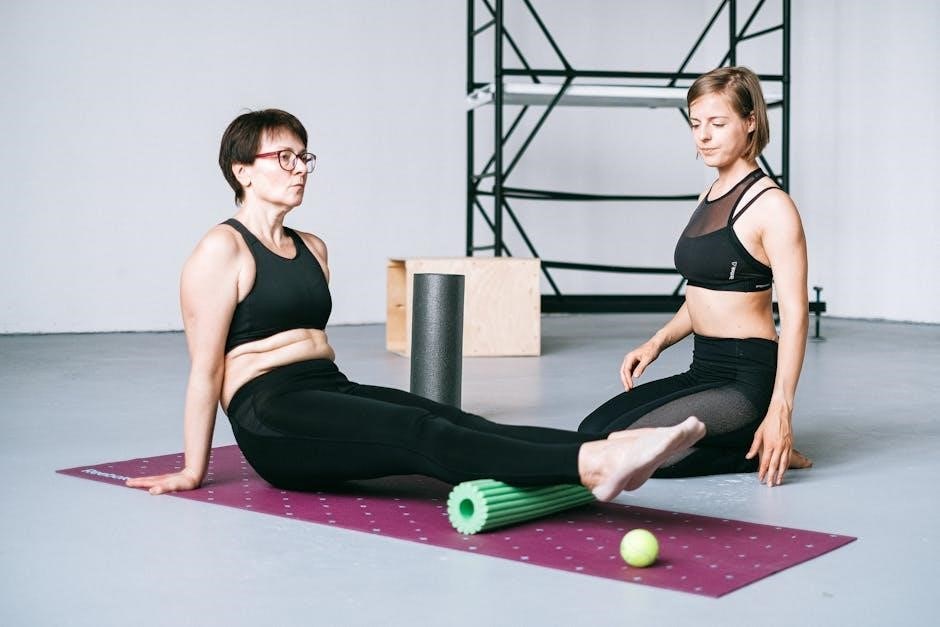
Always consult a physical therapist to tailor exercises to your specific needs. They can provide personalized modifications and ensure safe, effective progression, preventing further injury.
Resources for Printable Exercise PDFs
Peripheral neuropathy exercises pdf guides are available online from reputable sources like healthcare organizations and physical therapy websites, aiding independent practice.
Reliable Websites Offering Exercise Guides
Several trustworthy websites provide downloadable peripheral neuropathy exercises pdf guides designed to assist individuals in managing their condition. The Foundation for Peripheral Neuropathy (peripheralneuropathy.org) offers comprehensive resources, including exercise recommendations and printable materials.
Additionally, the Mayo Clinic (mayoclinic.org) features articles and potential exercise plans, though direct PDF downloads may be limited; however, their guidance is valuable. WebMD (webmd.com) also presents informative content on peripheral neuropathy and related exercises.
Always prioritize resources from established medical institutions or organizations led by qualified healthcare professionals when seeking peripheral neuropathy exercises pdf to ensure safety and effectiveness.
Recommended PDF Downloads for Peripheral Neuropathy
Finding suitable peripheral neuropathy exercises pdf downloads requires careful selection. The “Peripheral Neuropathy Exercise Program” from Cleveland Clinic is a highly recommended resource, offering structured routines. Several physical therapy clinics also offer downloadable guides, often focusing on specific symptom areas.
Look for PDFs detailing gentle range-of-motion, strengthening, and balance exercises. Ensure the guide emphasizes starting slowly and listening to your body. Beware of overly aggressive programs; safety is paramount.
Resources from reputable organizations like the Neuropathy Association often provide valuable, professionally-designed peripheral neuropathy exercises pdf materials for various severity levels.